Testosterone Replacement Therapy (TRT) for Men and Women in Los Gatos
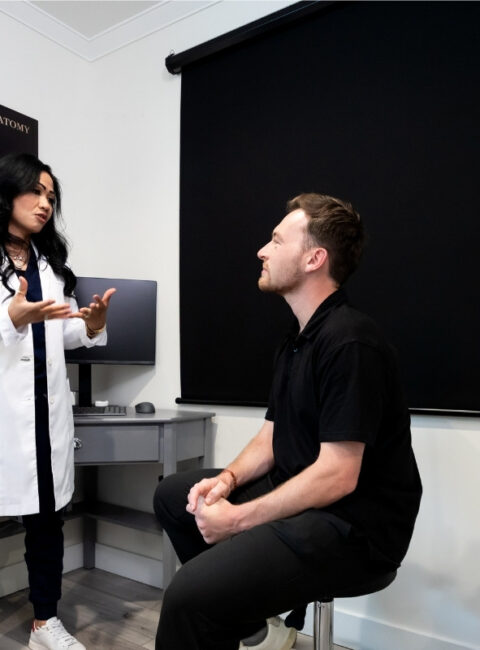
Tired no matter how much you sleep, losing strength, low sex drive, and told your labs are normal?
Low testosterone is a common, measurable cause in both men and women. At YNC, we run the labs most offices skip, then treat what the results show.
Schedule a Consultation to Discuss Your Options
Signs of Low Testosterone in Men and Women
Low testosterone looks like ordinary wear and tear, which is why it gets missed. It’s worth testing if you recognize a few of these:
- Fatigue that rest doesn’t fix
- Lower sex drive, erectile dysfunction in men, vaginal or clitoral changes in women
- Brain fog, flat or irritable mood
- Poor sleep and slow recovery after exercise
- Muscle loss despite staying active
You don’t need every symptom, but if you notice a pattern, that’s reason enough to test.
Testosterone Therapy for Women
Testosterone supports bone density, muscle, mood, and sex drive in women, not just men. FDA guidance for women is still evolving, so we’re straight about what’s established and what’s emerging. A licensed Naturopathic Doctor reviews your labs and history and tells you plainly whether treatment fits.
What We Test Before Prescribing TRT
Men’s testosterone declines gradually from the mid-30s and usually shows itself by the early 40s. Women lose testosterone too, most sharply around menopause. And it rarely drops alone: thyroid, stress hormones, and blood sugar all shape how you feel.
A standard panel often stops at total testosterone. Ours doesn’t.
Because low testosterone affects bone and heart health, we can add a DEXA bone-density scan, a coronary calcium score, or cardiometabolic markers.
Speak With a Hormone Specialist
How TRT Works at YNC
Consultation.
A thorough review of your symptoms, goals, and medical history, with enough time to actually get through them.
Labs.
On-site blood draw with medical team; your doctor interprets the results with you.
Your plan.
If TRT is right for you, your doctor sets the dose and delivery method: pellets that last 3 to 6 months, injections, creams, gels, or patches. We recheck levels every 3 to 6 months, then twice yearly.
If your labs don’t point to testosterone, we tell you, and we keep looking for what does.
The YNC Clinical Difference
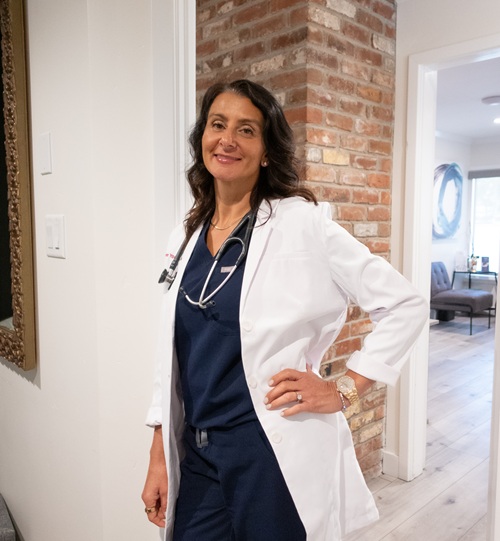
Young Naturopathic Center for Wellness has been doctor-owned and operated since 2004, with over 18,000 patients treated. Dr. Renee Young, NMD, holds California license number 26, was one of the first Naturopathic Doctors licensed in the state, and has treated hormones in men and women for around 25 years. Hormone therapy is the core of her practice.
Plenty of sites will mail you testosterone after a five-minute form. Ask them who reviews your estradiol and PSA at month six. Here, a licensed Naturopathic Doctor rechecks your labs and adjusts your protocol at every follow-up.
FAQs
Disclaimer: These statements have not been evaluated by the FDA. These therapies are not intended to diagnose, treat, cure, or prevent any disease.